Please Stop Trying to Write Metafiction
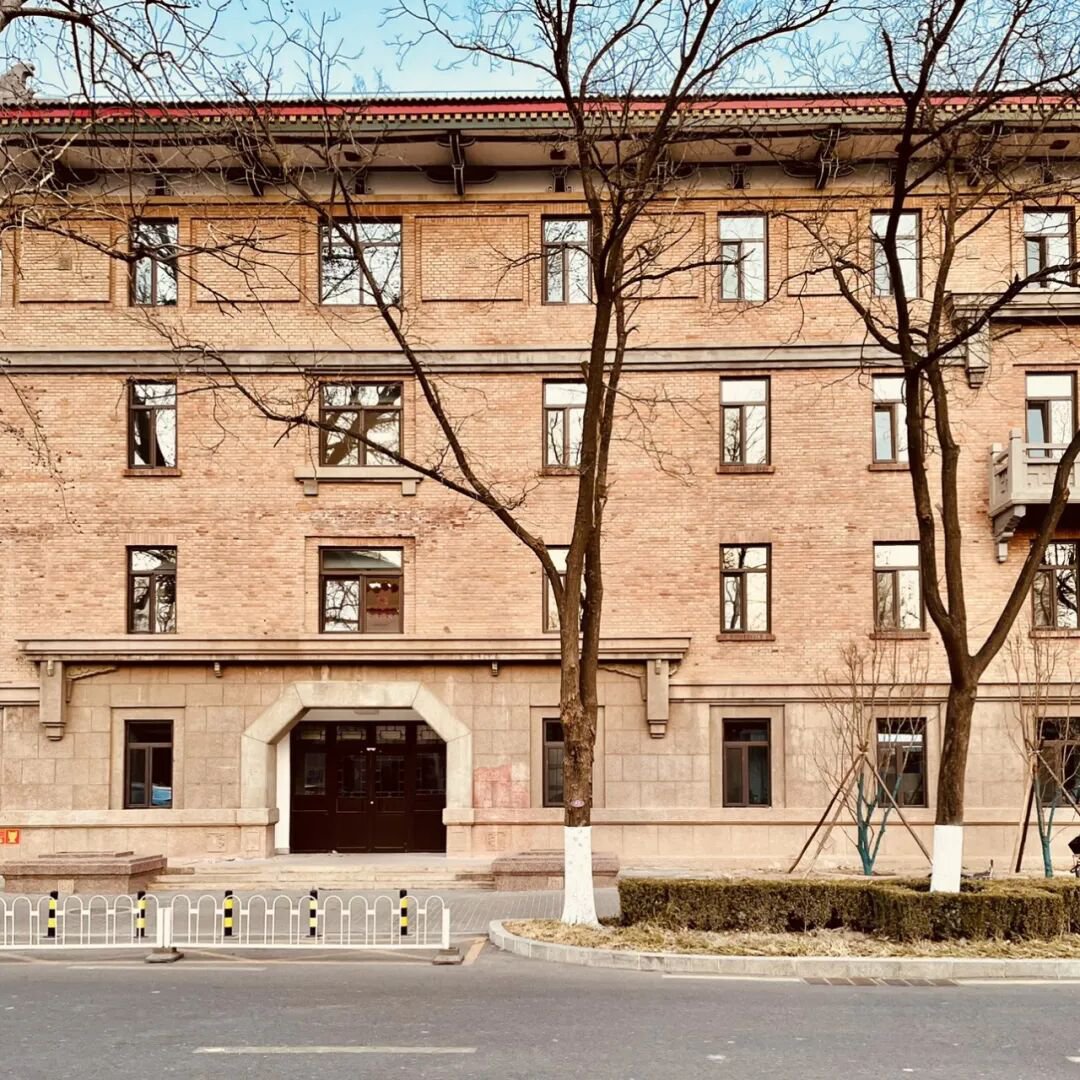 Photographed by the author at Tsinghua Garden
The piece I wrote yesterday happened to mention the "metanovel."
Which reminded me of an old thing I had stumbled on a while back, Please Stop Trying to Write Metafiction.
A few tweaks, one draft sent to two places, just for a laugh 🥳
So what on earth is metafiction?
Let me tell you something. Ningjinghai is absolutely in love with the idea of the "meta," so much so that he is forever itching to write a piece of metafiction and drop it into the very account you are reading right now, "Ning Ning Ningjinghai." Take this article you are looking at this very moment. It started life as homework for a writing class. He could have just turned in something he had already written, like a normal person, but no, he had to cook up a piece of metafiction instead, all to show off this so-called "personality" of his.
I want to talk him out of it. Talk him out of writing it. If you happen to have a free moment, come help me talk him out of it too. Unless something has gone wrong, you will probably find him studying in reading room 227 of the Li Wenzheng Library at Huaqing University. Please walk right up to him, open this article on your phone, hold it out, and say: "Come on, read this thing properly. How many times do I have to say it? Please stop trying to write metafiction!"
Wait. Since you are reading this article, it seems Ningjinghai went ahead and wrote it after all. I have failed, completely and utterly. I could not stop him.
Well, fine. Even so, even though he labored over this thing so seriously and so hard, I really do not think he managed to make it any good. So just bear with it and read on, would you, as a favor to me.
Not very good, right. By the time you have gotten this far, all you have seen is me rambling on about nothing in particular, and I have not even told you what "metafiction" actually means.
That is correct. This article exists only to mess with you. It has no real substance whatsoever, and now you are furious about it.
You throw the phone to the floor; you would really like to throw it out the window, even through the closed window. If the slats of the blinds are down, all the better, you fling the phone toward the bladelike slats, slicing it to ribbons, scattering the words, morphemes, and phonemes of the article every which way, never to be reassembled into an article again; if the windowpane is shatterproof glass, even better, you hurl the phone out and let it become photons, become sound waves, become light waves; you would really like to throw it straight through the wall, let it become molecules, become atoms, let them pass through the molecules and atoms of the reinforced concrete, breaking down at last into electrons, neutrons, neutrinos, ever smaller elementary particles; you would really like to throw it out down the phone line, let it become electromagnetic pulses, become a stream of information, shaken by redundant data and noise, degraded into spinning entropy. You would really like to throw the phone out of the house, out of the yard, out of the street, out of the city, out of the county and the municipal district, out of the province and the region, beyond the national territory, out of the European Common Market, out of Western civilization, off the European continent, out of the atmosphere, out of the biosphere, out of the stratosphere, out of the gravitational field, out of the solar system, out of the galaxy, out of the Milky Way, beyond the farthest edge to which the galaxy can expand, into the place where space and time no longer divide, where it will be received by that region's "nonexistence," that is, the past, present, and future that do not exist, letting it vanish into an absolute negation, a negation that can never be negated again. That is the end this article deserves.
Still have not thrown the phone away? All right then. Carry on enduring the dismal experience of reading this article.
I did warn you. Do not come back at the end crying that you were tricked, regretting the few minutes of your life and the precious attention you squandered on these meaningless words.
By the point you have now reached, Ningjinghai figures the length is about right. After you have read somewhere around a thousand characters, this is the paragraph where he is finally supposed to tell you what "meta" means, so let me explain it for you, poor bewildered reader. Let me think how to put it. The "meta" thing is, well, meta, what some translators render as "the post-set." The language used to describe language is "metalanguage." The theory used to explain theory is "metatheory." The novel that discusses novels is the "metanovel." Extend the pattern a little further and you will more or less get what "meta" means. It is a tiny word, abstract and bewitching, and no wonder Ningjinghai's fingers keep twitching to make something out of it.
So then, what exactly is metafiction?
I would say that if an article shows the following traits, it has earned the right to be called metafiction:
- The article discusses the author of the article himself.
- The article discusses its own reason for being written.
- The article reaches out to the medium it is published in.
- The article interacts fully with its own readers.
And if the article goes so far as to design a whole paragraph just to explain to you what metafiction is, then that is even more impressive. You could call it meta-metafiction.
Metafiction is no new invention of Ningjinghai's. Writing a preface for something fictional, or letting a character inside a novel read the novel itself, these are tricks the great writers have been playing for ages.
Cervantes's Don Quixote is the grandfather of the metanovel, and after it came Jorge Luis Borges's Ficciones, Italo Calvino's If on a winter's night a traveler, and Stanisław Lem's A Perfect Vacuum. All of these are fine works. I recommend a read.
So where, then, lies the originality of Please Stop Trying to Write Metafiction?
In my view, it lies in Ningjinghai's brazen plagiarism of works that came before. Take that passage you read above, for instance (I quietly marked it off for you with quotation marks). It is in fact lifted whole from a paragraph in the second chapter of If on a winter's night a traveler, not a single word changed. For plagiarism to turn up in an account that prides itself on being "original" is, I think, an offense against heaven itself. It is high time we reward Ningjinghai with a notice of expulsion. Even if he truly wanted to borrow a few lovely lines, the least he could do was find some way to tell the reader where they came from.
What is even more outrageous is this. Look up four paragraphs from here, and the first sentence, "Metafiction is no new invention of Ningjinghai's," is also essentially copied from the opening of A Perfect Vacuum, "Reviewing nonexistent books is not Lem's invention." You could say this whole article does not contain a single original idea, which makes it staggeringly boring. Ningjinghai will of course not agree with the criticism above. I imagine he will try to defend himself in the next paragraph, and the reader is welcome to listen to him with a skeptical eye.
Actually, the charge of plagiarism is not quite fair. Even if the words on the page come out identical, the era is different and the author is different, and how we, as commentators, understand and appreciate them is bound to be different too. Go read Borges's Pierre Menard, Author of the Quixote. The author here, um, deliberately lets the seams of his copying show, and then, with no mercy at all, points them out and mocks them himself, in order to walk the reader through a kind of, um, art, what is that term again, it is on the tip of my tongue, performance art, yes, yes, that is it, a piece of performance art made of words. It does not stop at lecturing the reader to "write carefully and avoid academic misconduct." It also pushes out the boundaries of what literature and performance art can reach.
The author knows that the reader is also an author who takes part in academic writing, so here he deliberately scrambles the subject-object relation between reader and author. Instead, he plays the reader who admonishes the author to build good writing habits. And so every author, once they have read this article, will from then on, whether they dutifully follow academic conventions or actually go and commit some act of academic misconduct, be able to say they were profoundly influenced by this very piece. So when an author who has read this article sits down to write, should they cite it or not? If they cite it, they are citing a work that dared to plagiarize whole swaths of text, which damages their own good name as an author. But if they do not cite it, is that not even worse misconduct? The author cleverly tosses this paradox onto every author who is also a reader, thereby fulfilling the true spirit of metafiction.
The reader really need not take the paragraph above too seriously. Just look at it. At first the author was hemming and hawing, trying to explain his behavior and not knowing how to say it, and then he suddenly found a nice little opening and went scrambling up to the moral high ground to point fingers from above. It is comical to a degree that is honestly both laughable and a little sad.
Still, I do sympathize with the spot Ningjinghai is in. He was told not to try writing metafiction, and he insisted on doing it anyway. The result is that he discovered he could not produce anything of substance, and yet he insisted on padding out a heap of words, and on top of that he demanded that the article convey some value and meaning. And this is what you get: an article that is neither here nor there, with nothing much to recommend it.
So I say again: please do not try to write metafiction!
Having written this far, I suddenly find myself curious. Could this article actually count as literature? I suddenly feel my earlier criticism was a bit harsh. By the modern, or shall we say postmodern, era, both art and literature have been drifting in this strange direction. Could it be that the standards by which we judge a work have wandered far from the traditional templates, turning toward some peculiar logic where the more unusual the better, the more unconventional the better? In which case, is this article, in some sense, actually a rather fine piece of work?
And so our subject has lurched all of a sudden into postmodern theory and literary criticism, and on that topic Ningjinghai has an awful lot to say. He would love to take you from Duchamp's Dadaism all the way to the land art of Wrapped Arc de Triomphe, and hold forth at length on the brilliance of T. S. Eliot's The Waste Land and James Joyce's Ulysses.
But I think that, since the word count is more or less filled, we may as well stop here and leave a little something unsaid. That is not so bad either.
I am done writing.
I am Ningjinghai. Thank you for reading my article.
You are welcome to reach me by any means. My email is lunar_mare_official@outlook.com. Write to me and let's chat. I reply to every message 🙂.
References:
Please Stop Trying to Write Metafiction, by Ningjinghai
不要尝试元文学创作
笔者摄于清华园
恰好昨天写的文章提到了「元小说」
想起之前偶得的《不要尝试元文学创作》
稍作修改,一稿多投,博君一笑 🥳
元文学是什么呀?
我跟你说,宁静海可喜欢「元」这个概念了,以至于他总想着写一篇元文学放到你正在阅读的公众号「宁宁宁静海」里边。就说你现在在看的这篇文章本身吧,它原来其实是一份写作课作业,本来老老实实交一篇之前写的文章就行了,但他还是总想整一篇元文学出来,用来彰显他所谓的某种「个性」。
我想劝劝宁静海,劝他别写。你有空的话,也帮我一起来劝劝,不出意外的话他大概就在华清大学李文正馆227阅览室自习,麻烦请你走到他面前,把这篇微信号推文打开,给他看,对他说:「拜托,好好读一下这篇文章,说过多少次啦,请不要再尝试元文学创作!」
等等,既然你看到了这篇文章,那看来宁静海终究还是写了,我失败得彻底,没劝住他。
哎,行吧。可就算宁静海很费力很认真地写了这篇文章,我也不觉得他能写得好到哪里去,那你也就将就着看,给个面子。
好不到哪里去,对吧。你读到这里,只看到我在这儿给你絮絮叨叨一些有的没的,连「元文学」是什么意思都还没有告诉你。
是的,这篇文章只是为了戏弄你,根本没有讲什么实质上的内容,你因此感到非常恼怒。
你把手机扔到地上;你真想把它扔到窗户外面去,甚至透过关闭的窗户把它扔出去。如果百叶窗帘放下了,那好,你把手机扔向那刀片似的窗叶,把手机切得粉碎,让文章里面的词、词素、音素到处飞溅,不可能再组合成文章;如果窗户玻璃是不碎玻璃,那更好,你把手机扔出去,让它变成光子,变成声波,变成光波;你真想把手机透过墙壁扔出去,让它变成分子,变成原子,让它们穿过钢筋水泥的分子与原子,最后分解成电子、中子、中微子,越来越小的基本粒子;你真想通过电话线把它扔出去,让它变成电磁脉冲,变成信息流,被冗余的信息和噪音震动,让它退化为旋转的熵。你真想把手机扔到房子外面去,扔到院子外面去,扔到街道外面去,扔到城市外面去,扔到县、市辖区之外去,扔到省、区之外去,扔到国家领土之外,扔到欧洲共同市场之外去,扔出西方文明,扔出欧洲大陆,扔出大气层,扔出生物圈,扔出同温层,扔出重力场,扔出太阳系,扔出银河系,扔出天河,扔到银河系能够扩张到的边沿之外去,扔到时空不分的地方去,它会被那里的「不存在」所接受,即过去、现在和将来都不存在,让它消逝在绝对否定、不能再加以否定的否定之中。这才是这篇文章应有的下场。
你还没有把手机扔掉?好吧,那你就继续忍受阅读这篇文章的糟糕体验吧。
我已经提醒过你了,别看完了再直呼上当,后悔自己在这些毫无意义的文字上浪费了几分钟的生命和宝贵的注意力。
到现在你所看到的位置,宁静海觉得篇幅差不多了,在阅读过1000左右的字符之后,是该在这个段落里告诉你「元」是什么意思了,所以我来给一头雾水的你解释一下。我想想怎么说,「元」这个东西嘛,就是 meta,后设。用来描述语言的语言就是「元语言」,用来解释理论的理论就是「元理论」,讨论小说的小说就是「元小说」,推而广之,你大概就能明白什么叫做「元」了,这个小小的词汇抽象而迷人,也无怪宁静海总是心里痒痒想动手创作这样的东西。
那「元文学」是什么东西?
我想,如果一篇文章出现以下的特征,那么就能称得上是一篇「元文学」了吧:
- 文章讨论文章的作者本身。
- 文章讨论文章的创作原因本身。
- 文章涉及到了这篇文章所在的载体。
- 文章和文章的读者有充分的互动。
如果说这篇文章里还专门设计了一个段落给你讲了讲「元文学」是什么,那就更厉害了,可以称得上是「元元文学」了。
元文学并不是宁静海的新发明,不论是给虚构的写序言,还是让小说里的人物读到小说本身,都是早已被大文学家玩过的把戏。
塞万提斯的《堂·吉诃德》是元小说的鼻祖,而后又有豪尔赫·路易斯·博尔赫斯的《杜撰集》、伊塔洛·卡尔维诺的《如果在冬夜,一个旅人》、斯坦尼斯拉夫·莱姆的《完美的真空》。这些都是其中佳作,推荐一读。
那么《不要尝试元文学写作》的独创性在哪里呢?
我认为,是宁静海对既往作品明目张胆的抄袭,比如上面你阅读过的一段文字(我偷偷使用「」帮你标注了出来),其实是完全照抄《如果在冬夜,一个旅人》第二章的一个段落,只字未改,我觉得在这样一个自诩「原创」的公众号里出现抄袭真是为天理所不容,是时候该奖励宁静海退学通知书了,就算实在想要引用些什么好句子,再怎么说也该想个办法告诉读者这些文字来自何处才是。
更加离谱的是,从这个位置往上看四个段落,其中第一句「元文学并不是宁静海的新发明」,也是基本照抄了《完美的真空》开篇「评论子虚乌有的书籍,并不是莱姆的新发明」,可以说,这整一篇文章连一点原创性的观点都没有,实在是无聊得惊人。宁静海当然不会认同以上的批评,我想他会在下一段里试着给自己辩护,读者不妨带着批判的眼光听听他怎么说。
其实抄袭的批评并不恰当,因为就算写出来的是一模一样的文字,时代不同作者不同,我们作为评论员如何去理解它、赏析它,那也一定是不一样的。你可以去读读博尔赫斯的《〈吉诃德〉的作者皮埃尔·梅纳尔》。作者他,额,在这里,刻意地漏出照抄的马脚,然后又自己毫不留情地指出它、嘲弄它,是为了带着读者经历这样一场文字上的……额……艺术,那个术语叫做什么来着,一时有点想不起来……行为艺术,对对对,文字上的行为艺术,不仅仅停留在劝告读者「要严谨写文章呀,不要学术不端呀」这个角度上,也拓展了文学和行为艺术所能造成的影响的边界。
作者知道读者也同样是参与学术写作的作者,所以在这里故意混淆了读者和作者的主客关系,反倒是作为读者去劝诫作者养成良好的写作习惯,于是所有的作者,一旦读过这一篇文章,以后写作的时候,不论是老老实实按照学术规范,还是真的干出了什么学术不端的事情,都可以说是受到了本篇文章的深远影响。那么读过本文的作者自己写文章的时候,应不应该引用本文呢?如果引用了,那就是引用了一篇甚至敢于大片抄袭的作品,有损自己作为作者的名誉;如果不引用,那不反而更是学术不端了吗?作者巧妙地把这个悖论甩给了所有作为读者的作者,尽到了「元文学」之实。
读者大可不必对上段文字太过认真,你看看,作者刚开始还支支吾吾地试着为自己的行为解释些什么却不知道怎么说,后来突然找到了一个很好的切口,反倒跑到道德高地上去对着读者指指点点了,实在是滑稽到了有些可笑可叹的地步了。
不过我还是很能理解宁静海的处境的,都说了不要尝试元文学创作,他偏要写,结果就是发现自己并不能写出什么实质性的内容,还偏要凑出一堆字数来,还要强求文章能够传达一些价值和意义,最后的结果就是这样,一篇不上不下、乏善可陈的文章。
所以说,不要尝试元文学创作呀!
写到这里,我突然有些好奇,这篇文章也能算是文学吗?我突然觉得我之前批评有点过当了。到了现代或者说后现代,不管是艺术啊还是文学啊都在往这样的奇怪方向走。是不是说我们评判作品的标准已经远远脱离了传统的范式,转向一种「越不同寻常越好,越标新立异越好」的古怪逻辑里去了呢,那么本篇文章是不是在某种意义上也是一篇挺不错的佳作呢?
于是我们的话题突然转到了后现代理论和文艺批判理论上面了,要聊这个的话,宁静海可以说的东西就多了去了,他很想从杜尚的达达主义给你讲到「包裹凯旋门」的大地艺术,大谈特谈 T·S·艾略特的《荒原》和詹姆斯·乔伊斯的《尤利西斯》的高妙之处。
但我觉得,既然字数混得也差不多了,就此打住,留个遗憾,也不错。
我写完了。
我是宁静海,感谢你阅读我的文章。
欢迎您通过任何方式联系我,我的邮箱是 lunar_mare_official@outlook.com,欢迎来信与我聊天,我会回复所有邮件 🙂。
参考:
《不要尝试元文学创作》宁静海