Coffee, Whisky, and the Capacity to Feel
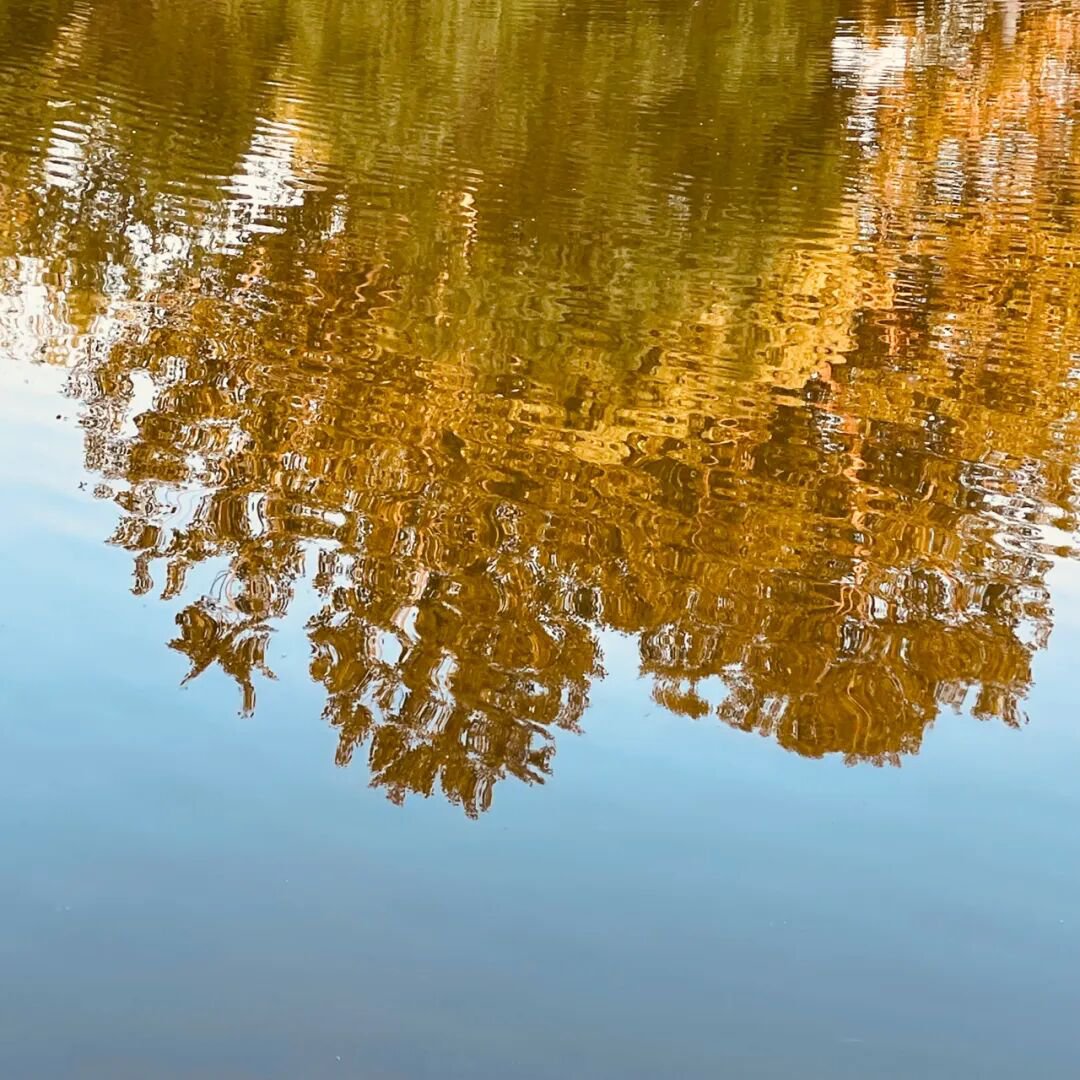 Photo by the author, taken in Beijing
Today I want to talk about something I'll call sensitivity, the capacity to feel and notice. I don't want to do it in a bookish, pedantic way, so let's talk about coffee and good liquor instead.
Drinks are a wonderful way in. They give us hard evidence that the world of the senses is far richer than we usually admit, and they make us feel the gap between the world of words and the world of sensation. And once you feel that gap, the world starts to look marvelous, and life feels good to be living.
"The light roast carries a distinctive note of lemon, flowers, and honeyed sweetness, with a soft fruit acidity and a hint of citrus. The mouthfeel is fresh and bright, the kind of thing that lifts your whole day."
"Citrus and sea air on the nose. The first sip floods your mouth with heavy smoke and a warm, malty body, and the finish leaves a faint pepper heat at the back of the tongue. On a rainy late-autumn day, one glass and you're standing on Scotland's cold, gray coast."
Yes, both of those passages are describing drinks.
The first one is coffee, a Yirgacheffe.
The second is whisky, Talisker 10.
The first time I read words like these, I was a little baffled.
It wasn't that I'd never had coffee, or never had a drink. But I'd somehow never gotten anything this subtle, this elegant, out of the experience.
For a while I believed there was such a thing as "the taste of coffee."
Think of twisting open a bottle of cold brew on a frantic morning, or ordering a latte at the wooden bar in a Starbucks on a slow afternoon, that first sip with its roasted-bean aroma and gentle bitterness.
Sure, sugar and milk shift things around a bit, but the smell and flavor of coffee just was "the coffee taste," an aroma and an elegance that belonged to coffee alone, not "lemon, flowers, fruit acidity."
I also believed for a while that there was such a thing as "the taste of alcohol."
The burn of baijiu going down, the malt and refreshing rush of beer, the sweet-and-sour grace of wine, and the whole reek of liquor coming off a drunk adult.
Of course baijiu, red wine, beer, and rum all taste different. We know a bottle of Maotai costs many, many times more than a bottle of Jiang Xiaobai, and within a single category the finer differences obviously exist. But I genuinely had no idea what "citrus and sea air" was supposed to look like.
What first pulled me toward specialty coffee and single malt whisky was simple curiosity about this kind of language, this way of describing things.
I wanted to know why a cup of coffee could taste of the tartness and clean sweetness of red berries, and why a spirit over forty percent alcohol could give off the smell of citrus and the sea.
I felt like a kid with his nose pressed to a toy shop window, staring at the dazzling shelves inside, imagining the dreamlike happiness those delicate little things might bring, until for a moment I couldn't tell whether what was in the window was a dream or real life.
Luckily, both specialty coffee and whisky sat comfortably within what I could afford.
So what was I waiting for. Place the order, wait for it to arrive, wash up and dress for the occasion, and find out whether it really was as magical as they said.
Maybe it was just the power of suggestion. But when I solemnly set the drink in front of me, when I really leaned in to smell what rose off it and paid honest attention to the opening, middle, and finish on my tongue, I did get the wonderful experience the label and the little blurb on the packaging had promised me.
I don't know what counts as "fresh and bright," but the Yirgacheffe really did have an unmistakable "sweet aroma, fruity flavor."
I couldn't tell you what "the Scottish coast" tastes like, but the Talisker 10 really did have its signature "smoke, pepper heat."
Which made me wonder. How were these flavors first picked out and named? Behind all these adjectives, is there some shared, universal standard at work?
Coffee and good liquor hold a riot of flavor and an endless charm. You can't sum them up in a line or two.
![Image [wide]](/static/assets/img/blog/coffee-whisky/02.jpg) SCA - The Coffee Taster's Flavor Wheel
SCA - The Coffee Taster's Flavor Wheel
Next time you're in a café, look around. Near the bar you'll often spot a circular diagram, packed tight with descriptive words about aroma and taste. It's called a flavor wheel.
Its full name is the Coffee Taster's Flavor Wheel. First published in 1995, it's the most representative reference the coffee world has, and for more than twenty years it served as the industry standard.
In 2016 the SCA (Specialty Coffee Association) and WCR (World Coffee Research) collaborated on an update. It was the largest and most broadly collaborative study of coffee flavor ever undertaken, and drawing on the World Coffee Research Sensory Lexicon, it gave professionals a new vocabulary to work with.
The word "flavor" is defined as the combination of taste and smell, and the wheel covers a whole range of qualities and terms, from the basic tastes (the things your tongue detects) all the way out to pure aroma (the things you can only smell).
From that point on, the delicate, complicated sensory experience of drinking coffee could be described in ordinary language with much greater precision.
The flavor wheel handed us a universal grading standard and a system of labels. With it, anyone can judge a coffee as good or bad in a way that's relatively fair and objective.
![Image [wide]](/static/assets/img/blog/coffee-whisky/03.jpg)
Following coffee's lead, other drink industries rolled out their own flavor wheels too. So, as you'd expect, we now have a whisky flavor wheel, a tea flavor wheel, and so on.
What you'll notice is the striking agreement between these different wheels. Coffee's flavor compounds come from how the bean is grown, roasted, ground, and brewed; whisky's come from distillation and aging. But the aldehydes and acids that naturally arise during these processes are the same molecules that carry the scents of fruit, cocoa, and flowers, and they're exactly what give each drink its character.
Sometimes I find myself wondering: coffee with the caffeine taken out, and whisky with the alcohol taken out, would they turn out to be the very same thing?
If I were a professional cupper and you handed me a cup of coffee, I could tell you a great deal by reading it against the wheel.
Is its aroma herbal, fruity, floral, or is it chocolate, nutty, caramel, or is it spiced, char-grilled?
How is it sweet, sour, astringent, bitter?
A clean, clear sweetness, or the sweet-and-sour of unripe fruit?
Bitter to the point of being hard to swallow, or just the right touch of bitterness?
And so on.
But if you simply asked me what coffee tastes like, I'd suddenly have no answer.
I'd just wave a hand, try to cover the awkward look on my face, and say:
I don't know, coffee is a complicated thing.
I can tell you how a dark roast differs in flavor from a light one. I can tell you how a Yirgacheffe differs from a Golden Mandheling.
But if you want me to name one general, universal taste of coffee, I'm sorry, I can't.
It isn't only coffee and whisky. The same thing shows up in other fields.
Tell an artist: mix me a red.
He or she will freeze.
Because they realize their language can't simply pin down this thing called "red."
Take just the single color sample of "China red." We have:
peony pink-red, fragrant-leaf red, brilliant red, jade red, camellia red,
full-river red, mouse-nose red, mimosa red, spring-plum red, amaranth red,
plum red, goose-comb red, maple-leaf red, gladiolus red, jujube red,
deep crimson, marvel-of-Peru red, camellia red, begonia red, litmus red...
All of these reds can of course be called "red."
But to someone with a fine sensitivity, every one of these samples is its own shade, and each stirs a different feeling.
On the website China Colors, each of them corresponds to a different set of RGB values.
You might be curious: if we drop ordinary language and switch to something more precise and quantified, like an RGB code, can we express these differences more finely?
For coffee and whisky, everything we call smell, aroma, and taste can be traced down to the chemistry of molecules in the microscopic world. So if we fully mapped out the correspondence between every taste and every chemical compound, could we then build a perfect, complete digital simulation of a drink?
No.
To show why, let me give you one more example.
In 1907, Kikunae Ikeda, a researcher at the Tokyo Imperial University in Japan, found brown crystals left behind after a broth of kombu (kelp) had been boiled down. They were monosodium glutamate.
These crystals had a taste that was hard to describe but very good, and traces of it can be found in many foods.
Before long, Ikeda worked out how to mass-produce monosodium glutamate industrially, and from then on the crystals showed up in kitchens everywhere. Its commercial name is MSG.
And that taste, the glutamate taste, is what we commonly call umami.
So can we say that umami simply is monosodium glutamate?
Of course not. Set a glass of glutamate solution (MSG dissolved in water) in front of you and it's bound to give off a kind of "industrial umami," off-putting, thin on detail, unnatural, and not good to drink.
The flavors of coffee and whisky work the same way.
Set against the rich, detailed, haunting sensory experience the world gives us, an over-simplified adjective is pale and powerless.
We have to hone our own taste and stretch our own language so we can catch the subtle, delicate distinctions our senses register.
I like to call this taste "sensitivity," or "acumen." It's what underlies human aesthetics and empathy.
Bad words, sweeping generalizations, and the disciplining force of society all eat away at our sensitivity.
Cultivate your sensitivity. Protect your sensitivity. And the colors and the aroma of coffee will come flooding back to fill your world.
I remember once reading a Chinese translation of one of Calvino's books, where I ran into a small, delicate misunderstanding.
It was a passage describing a banquet. In the fruit bowl sat some fruit, called shìduōpílí.
Shìduōpílí, what a marvelous name. My eyes only paused on the unfamiliar word for a second, but I knew it carried a slightly tart taste, because the sound and the look of it made me think of sourness. I figured it was some berry with a tropical, exotic air, crisp, full of juice, with a green, sweet-and-sour bite.
I closed the book, suddenly desperate to know what shìduōpílí actually was in real life. Maybe I could even order some online and taste it. I opened a search engine, typed in shìduōpílí, and what came up was this:
Shìduōpílí means strawberry. The Cantonese rendering shìduōpílí is a transliteration of its English name, Strawberry.
Ah, Strawberry? So it was nothing more than an unfamiliar transliteration.
And that tart, novel, exotic berry? I had practically tasted its sourness already, and in an instant it became the plain, slightly dull, rather boring "strawberry."
(No offense meant, I'm a strawberry lover too, but dear reader, you have to understand that next to the charm of shìduōpílí, the strawberry can't help but pale.)
But what does it matter?
To this day, in my memory and my imagination, the fruit sitting in Calvino's bowl is still the sweet-and-sour shìduōpílí.
I'm Lunar Mare. Thank you for reading.
Feel free to reach me however you like. My email is lunar_mare_official@outlook.com. Write to me anytime, I reply to every message. :)
References:
- Chen Jiaying, Philosophy, Science, Common Sense
- China Colors
- SSPAI - Coffee Primer, Chapter 6: An Introduction to Coffee Tasting
- SCA - The Coffee Taster's Flavor Wheel
- Buzaichang - Bonus, On: Stacks
咖啡、威士忌与感受力
笔者摄于北京
今天来谈谈「感受力」,我不想用太书呆子的方式谈论感受力,所以我们来聊聊咖啡和美酒。
饮料是一个特别的切入口,它以强有力的证据告诉我们感官世界的丰富多彩,让我们意识到言辞的世界和感官的世界间的割裂,于是发现世界精彩,生活可喜。
「浅度烘焙有着独特的柠檬、花香和蜂蜜般的甜香气,柔和的果酸及柑橘味,口感清新明亮,让人一整天都心旷神怡。」
「柑橘和海洋香气,入口是强劲烟熏气味和温暖的麦芽风味充盈口腔,尾韵是舌根隐隐的胡椒辛辣感,深秋雨天来一杯,直接把你带到苏格兰阴冷的海岸线。」
没错,上面的两段文字都是用来形容饮料的:
第一段话描述的是咖啡——耶加雪菲。
第二段话描述的是威士忌——泰斯卡10年。
初读这些文字的时候,我有些困惑。
我并不是没有喝过咖啡,也并不是没有喝过酒,但我似乎从没有得到过这样微妙而优雅的味觉体验。
我一度以为存在着所谓的「咖啡味」。
就像忙忙碌碌的早上拧开一瓶雀巢冷萃或贝纳颂,或者在一个休闲的午后在星巴克的木质吧台前点上一杯拿铁,入口时那种咖啡豆的香气和微苦。
或许加糖加奶会对味觉产生一些变化,但咖啡的味道和香气就是「咖啡味」,这是一种独属于咖啡的香气和优雅,而不是「柠檬、花香、果酸」。
我也一度认为存在着所谓的「酒味」。
是白酒入口之后的辛辣,是啤酒的麦芽香和畅爽淋漓,是葡萄酒的甜酸和优雅,也是喝醉的大人身上的一身酒气。
的确,白酒、红酒、啤酒、朗姆酒,自然味道是不同的,我们知道茅台的价格比江小白贵上好多好多倍,同一品类下细节上的差距自然是存在的,但我完全没法理解「柑橘和海洋香气」是什么样子的。
我最开始接触到精品咖啡和单一麦芽威士忌,就是出于对这些修辞和形容的好奇。
我想知道为什么喝咖啡可以喝出红色莓果的酸涩和清甜,也想知道为什么40+度的烈酒会散发出柑橘和海洋的香气。
像是一个小孩子,趴在在玩具店的橱窗前,看着展示柜里的玲琅满目,想象着那些精巧的物件能带给自己一段多么如梦如幻的快乐时光,于是一时不知道橱窗里的是梦境还是现实。
所幸,不论是精品咖啡,还是威士忌,价格都在我完全可接受的范围内。
所以还等什么呢,下单,等待,沐浴更衣,看看是不是真的有那么神奇。
不知道是不是心理因素作祟,当我郑重地把买来的饮品放在面前,仔细去闻它散逸出的香气,认真琢磨品味它入口的前调、中调、后调,我确实得到了产品包装上的标签和小作文所许诺给我的美妙体验。
我不知道怎么才算「清新明亮」,但耶加雪菲确实有极具特征的「甜香气、果香味」。
我说不好什么叫做「苏格兰海岸」,但泰斯卡10年确实有标志性的「烟熏气,胡椒辣」。
不禁好奇,这些风味是最初是如何被品鉴出来的?这些形容词的背后,是不是有什么普适性的标准在?
咖啡美酒,风味纷繁,魅力万千,自然是不能被只言片语概括的。
SCA - The Coffee Taster's Flavor Wheel
去咖啡馆的时候,留心观察,你会在咖啡馆的吧台附近可以看到类似的圆形图案,上面密密麻麻罗列了许多关于香气和味觉的描述性词汇,它被称为「风味轮」。
「风味轮」的全称是「咖啡品鉴师风味轮(the Coffee Taster's Flavor Wheel)」,在1995年最初出版,是咖啡行业最具代表性的参考资源,20多年以来一直是咖啡产业的行业标准。
2016年,SRA(精品咖啡协会 Specialty Coffee Association)和WCR(世界咖啡研究 Wrold Coffee Research)合作更新了风味轮,这是有史以来规模最大、合作最广的咖啡风味研究,基于世界咖啡研究感官词典,为行业专业人士提供了一套新的词汇。
「风味」一词被定义为味觉和嗅觉的结合,而风味轮包含了从基础味觉(舌头感知到的东西)到纯粹香气(那些只能被闻到的东西)之间一系列的特质和术语。
从此,人类品尝咖啡时精妙、复杂的感官体验,可以被自然语言以更高的精度描述。
风味轮给了我们一个普适性的评价标准和标签体系,从而,每一个人都可以相对客观公正地评价咖啡的好坏。
效仿咖啡行业,其他饮料行业也纷纷推出了自己的「风味轮」,于是,如你所见,我们也有「威士忌风味轮」「茶风味轮」等等。
你会发现不同的「风味轮」之间惊人的一致性,咖啡的风味物质来源于咖啡豆的培植、烘培、研磨和萃取,威士忌的风味物质源于蒸馏和陈年,这些加工过程中自然产生的醛和酸与水果、可可、花朵的香味物质是一致的,正是它们带来了风味上的特质。
有时候我在想,去除了咖啡因的咖啡和去除了酒精的威士忌,会不会是一模一样的事物呢?
如果我是一位专业的杯测员,你给我递来一杯咖啡。
对照着风味轮,我可以告诉你很多很多——
它的香气是草本、果味、花香,还是巧克力、坚果、焦糖,或是是辛香、碳烤?
它是如何的甜、酸、涩、苦?
是干净的清甜,还是未熟果实的酸甜?
是苦涩到难以入口,还是恰到好处的微苦?
......
但如果你只是问我:咖啡的味道是什么?
我会突然没办法回答你。
我只能摆摆手,掩饰一下尴尬的神色,说:
我不知道,咖啡这个东西很复杂。
我能告诉你深烘培和浅烘培风味上的区别,能告诉你耶加雪菲和黄金曼特宁的区别。
但如果要我说出一个普遍的、通用的咖啡的味道,对不起,做不到。
不只是咖啡和威士忌,其他的领域也会出现类似的情况。
对一位艺术家说:给我调一个红色。
他/她会愣住。
因为他/她发现自己的语言不能够简单定位「红色」这个事物。
单单就「中国红」这一个色样而言,我们有:
牡丹粉红、香叶红、艳红、玉红、茶花红、
满江红、鼠鼻红、合欢红、春梅红、苋菜红、
梅红、鹅冠红、枫叶红、唐菖蒲红、枣红、
殷红、草茉莉红、山茶红、海棠红、石蕊红......
这些「红」,自然都可以称为「红」。
但在感受力细腻的人眼中,他们的色样各不相同,给人的情绪感受也自然不同。
在「中国色」网站上,它们分别对应于不同的RGB数值。
你或许会好奇,如果我们不使用自然语言,换用更加精致量化的表述,比如RGB色彩编码,是不是就可以更加精细的表达这些差异了呢?
对于咖啡和威士忌,所谓的气味、香味、口味,都可以归结到微观世界的化学分子特性上,我们把所有味道和化学物质的对应关系完全研究清楚,是不是可完美完整地数字仿真一杯饮品了呢?
不行。
为了说明这个事情,不妨再给你举一个例子:
1907年,日本东京帝国大学的研究员池田菊苗发现了昆布(海带)汤蒸发后留下的棕色晶体,即谷氨酸钠。
这些晶体,尝起来有一种难以描述但很不错的味道,在许多食物中都能找到踪迹。
很快,池田菊苗找到了大规模工业化生产谷氨酸钠的方法,谷氨酸钠晶体从此出现在了家家户户的厨房间里,它的商品名叫「味精」。
而谷氨酸钠这种味道,就是俗称的「鲜味」。
那么我们可不可以说,「鲜味」就是谷氨酸钠?
当然不能,把一杯谷氨酸钠溶液(味精泡水)放到眼前,它必然散发着一种「工业鲜味」,别扭,缺少细节,不自然,不好喝。
咖啡和威士忌的风味也是一样。
与这个世界所带给我们的那些丰富的、细节的、让人魂牵梦萦的「感官体验」相比,过度简化的形容词是苍白无力的。
我们需要磨砺自己的品味,拓展自己的语言系统,才能更好地捕捉到感官上精妙的细微差异。
我习惯于称这种品味为「感受力」,或者「敏感(acumen)」,正是它构成了人类审美和共情的基底。
糟糕的语词、过度的概括、社会的规训,都在侵蚀我们的「感受力」。
培养你的感受力,保护你的感受力,于是色彩和咖啡的香气将重新充盈你的世界。
记得我曾在读一部卡尔维诺作品的中译本时,遇到了一个微妙的翻译误会:
那是一个描绘宴会的段落,果盆里放着一些水果,名叫「士多啤梨」。
士多啤梨,多么奇妙的名字!虽然我的目光只在这个陌生的词汇上稍作停留,但我知道它略带一些酸溜溜的味道,因为它的发音和视觉印象让我想到酸味,我觉得它是那种带着热带和异域风情的莓果,应当是脆生生的,带着汁水和青涩的甜酸味。
合上书,我突然很想知道「士多啤梨」在现实生活中到底是什么样的水果,或许我还可以网购一些来品尝品尝,打开搜索引擎,键入「士多啤梨」,映入眼帘的竟是:
士多啤梨,即草莓,港译士多啤梨是其英语名称 Strawberry 的音译。
啊,Strawberry?原来这不过是一个陌生的译名罢了。
而那个酸涩新奇的异域莓果呢?明明我都已经快要快要尝到它的酸了,它却一下子变成了平平无奇、有些无聊的「草莓」。
(无意冒犯,我也是草莓爱好者,但亲爱的读者你要理解,在士多啤梨的魅力面前,草莓当然是黯然失色的)
但这又有什么关系呢?
直至今日,在我的记忆与想象里,在卡尔维诺笔下的果盆里放着的水果,仍然是酸酸甜甜的「士多啤梨」。
我是宁静海,感谢你阅读我的文章。
欢迎您通过任何方式联系我,我的邮箱是 lunar_mare_official@outlook.com,欢迎来信与我聊天,我会回复所有邮件🙂。
参考: