How to Climb Out of the Nihilism Swamp
Hey, have you ever come across the word "nihilism"?
Usually when we call someone a nihilist, we mean it as an insult. We are saying they lack ideals and drive, that they do not seem to care about anything, that they have no plans for the future.
But nihilism is really more like a genre of literature and philosophy. On the philosophy side you have Nietzsche, the guy everyone quotes in their essays, and Heidegger, who sounds impossibly highbrow. On the literary side you have Dostoevsky, whose name is a mouthful, and Camus, who looks unbearably cool with a cigarette.
It seems profound, but the core idea is easy to grasp. It is simply this: the existence of the universe and of human beings carries no objective meaning or purpose, and no intrinsic value.
Nihilism is not a "mistake." We have to find the courage to admit the world's "objective emptiness" first, because only then can we truly start the search for our own "subjective meaning," and become sincere people, people with a capital P.
Today's recommendation is the music of Molchat Doma, a post-punk band from Belarus. It turned out to fit this essay's theme of nihilism surprisingly well, so if you like it, go look up the whole album and give it a listen.
One more thing. This piece is lightly adapted from my reading notes for an ideology and ethics class, and even after some edits, the preachy, chicken-soup-for-the-soul flavor is still a little too strong. Please bear with me.
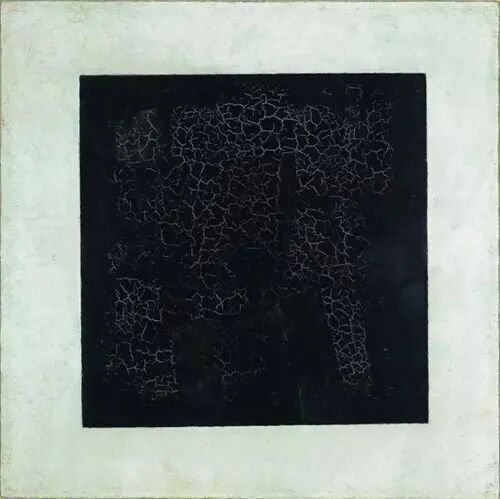 Black Square on White, Kazimir Malevich, 1913
Ever since Nietzsche's thunderclap of a line, "God is dead," fell upon the world, no one has been able to stop asking: "If God is gone, can I just do whatever I want, however I want?" The "God" here does not refer only to the Christian God. It points at every moral code and ethical order, and in the context of ancient China it would be the doctrine of "the ruler a ruler, the subject a subject, the father a father, the son a son." If we treat this whole system of everyone-in-their-proper-place as "feudal dross" and tear it out all at once, so that mothers do not love their children, children do not honor their elders, love is not faithful, and government does not serve the people, then how are we supposed to find a foothold for our own lives? How do we answer that ancient cry, the question of why we live and why we die? What stands before every one of us now is, without a doubt, a world where the sense of meaning has gone missing.
I often feel that the most urgent and weighty problem facing young people in China is exactly this scarcity of a sense of meaning. They do not know what is worth living for, and they do not know what their past or present actions amount to. This is what produces the "hollow heart" of the younger generation. Young people of the information age, the children of the internet and of globalization, have somehow ended up in this position: on one side they build a "self," or you could say a persona, out of the things they consume, like the shows and films they love or the brands they favor; on the other side they are just as aware of how rotten and decadent consumerism is, and they cry out at the top of their lungs:
I don't want to die alone in failure
I don't want to keep living underground
The con of material things
Ants in a hurry
People with no culture don't grieve
You can see this knotted, self-contradicting quality everywhere in young people today. They will not do the grueling overtime grind, but they are not content to lie flat either; they want to go work at the grassroots, yet they cannot give up the comforts of a good life; they want to get into the elite companies and famous schools, yet they dread being crushed by the pressure of the rat race. Every "contradiction" on this list, if you unpacked it, would be one of those hot-button issues society argues over endlessly without ever resolving. But across all these debates you can spot something they share. The younger generation is caught in a storm of ideas and opinions, unable to find where it belongs in the world, and so it drifts and wavers.
In this era, the problem we face is not "too little information" but "too much." When a major decision in life looms, we keep wishing for a "guide," someone who can tell us how to prepare, what to do, what goals to set.
In earlier times, the problem was a shortage of guides. There was no internet, and the exchange of information was limited. Now we face the opposite, an explosion of it. Whether it is a life choice, a career plan, or the more abstract work of shaping our values and our view of the world, both daily life and the internet send us an endless stream of advice. Under that flood, even if we are rational enough, even if we can think independently and critically, it is still very hard to make a decision we will not regret. We encounter many conflicting viewpoints, all of them well evidenced and persuasive, and so we run into "decision paralysis," the realization that we can never reach a rational decision through gathering and analyzing information. "Decision paralysis" is not merely a feeling of being lost, or trouble choosing. It is something deeper, the "impossibility of a good decision," which shows up as the certainty that no matter which path you pick in a major choice, you will regret it because of the other lives you gave up.
The worst case is when a young person, trapped in this bind, slides into a complete and negative nihilism, scorning all value and all meaning, deciding that human existence has no point and no purpose, and drowning in a whirlpool of self-denial and world-weariness. Since every choice leads to regret, "just don't choose" becomes the decision some people make. They "let it rot," they "lie flat," and young people who have given up on themselves use these extreme gestures to voice their helplessness and their rebellion against the world.
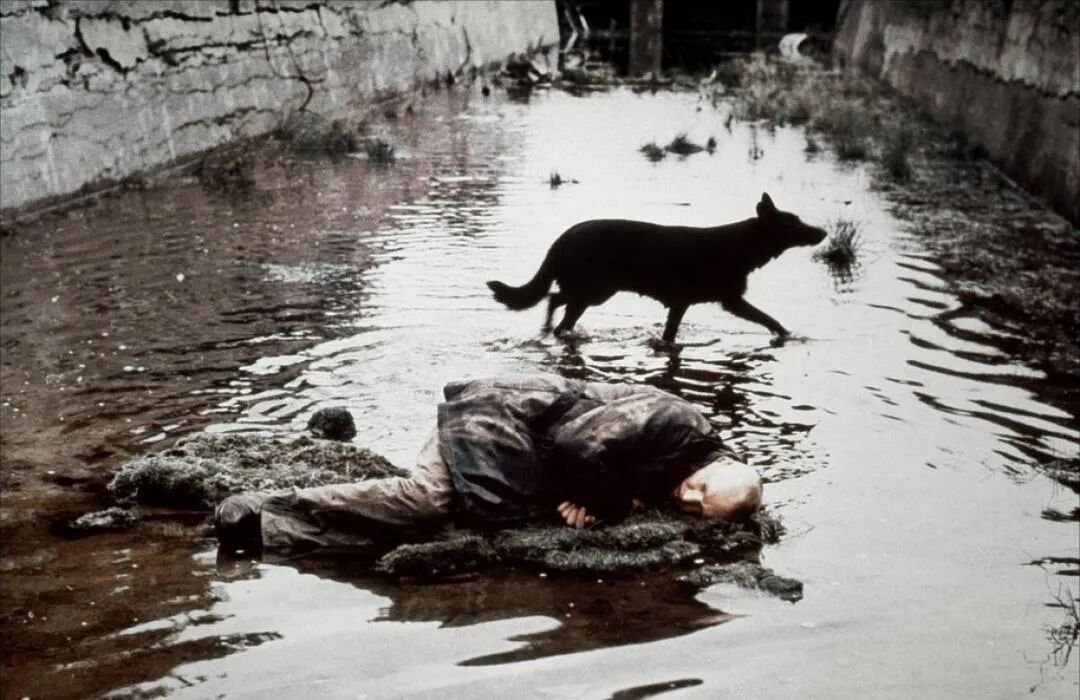 Stalker (film still), Andrei Tarkovsky, 1979
This "scarcity of meaning" and this "impossibility" are new problems, born of modern society, and they are the root of many of its troubles. Put into a concrete situation, they show up as the anxiety and the agonizing over choice that a young person feels when picking a career. This brings to mind a short piece by Marx, "Reflections of a Young Man on the Choice of a Profession." The essay is brief, but the flashes of thought from the young Marx still have something to teach us today.
In it, Marx works carefully through the many considerations and the inner conflict a young person faces when choosing a profession, laying bare the confusion, the tangled feelings, and the back-and-forth reflection that come with a major decision. As a young reader returning again and again to this essay more than a hundred years after it was written, I still feel, in my bones, the same knots Marx describes.
If you set aside the dense argument inside the text, the conclusion Marx reaches in "Reflections of a Young Man on the Choice of a Profession" is simple and clear: "to work for the common good of humanity," or in other words, "to labor for mankind." This is surely right, but as a guiding idea it is a little too abstract, so let me try to make it plainer for you.
Take two kinds of work. Teaching in poor villages, practicing medicine, lifting people out of poverty, building something new in science and technology, all of these stir us and draw us in, while speculation and resale, manipulating markets, hyping things up to sell them, leave us faintly dissatisfied, even a little disgusted. The moment we bring our gaze down to these specific jobs, we suddenly find that deep down we know perfectly well what is worth doing and what is not. So is there not something narrow and small-minded about going on and on insisting that "nothing has any meaning"? Nihilism looks eloquent, but it overlooks the common-sense judgments we make in ordinary life as real, existing people, and it overlooks the moral intuition that makes us human. That intuition needs no theory to prove it, and no law or ritual code to sort it into categories and set it down on paper.
Where does this moral intuition come from? It is precisely what Marx meant by "working for the common good of humanity." There is no need to pick at the words and ask, "but what exactly is this common good?", because we have already absorbed the answer without noticing, the way you absorb a thing by living near it.
History calls those men the greatest who have ennobled themselves by working for the common good; experience acclaims as happiest the man who has made the greatest number of people happy; religion itself teaches us that the ideal being whom all strive to copy sacrificed himself for the sake of mankind, and who would dare to contradict such judgments?
"Reflections of a Young Man on the Choice of a Profession," Karl Marx
So do not ask "is God dead?" and do not ask "does eternal value exist?" Pour your life into the common good of humanity, into laboring for the welfare of the great majority, into working for mankind, and a sense of meaning will come from there. The fulfillment of personal value and a commitment to the collective were never opposites. They are in fact the same thing: a person's value is realized in working for humanity, and working for humanity is the noblest and best way to express that value.
We need no religion and no pile of empty slogans to give our lives a foothold, because "serving the common good of humanity" is enough to fill the heart. We will, of our own accord, choose the work that serves others with a feeling of pride and a sense of something higher, and we will treat that work as our place in the world and as the meaning and purpose of our existence. What we should do is not daydream about so-called "value," "performance," or "profit," but first throw ourselves into one concrete thing after another, and let the meaning of life reveal itself in the doing. Hold on to that, and the particular profession you end up in turns out not to matter much at all.
I would like to borrow the final passage of Marx's essay as the close of my own, in the spirit of mutual encouragement:
If we have chosen the position in life in which we can most of all work for mankind, no burdens can bow us down, because they are sacrifices for the benefit of all; then we shall experience no petty, limited, selfish joy, but our happiness will belong to millions, our deeds will live on quietly but perpetually at work, and over our ashes will be shed the hot tears of noble people.
"Reflections of a Young Man on the Choice of a Profession," Karl Marx
 Beat the Whites with the Red Wedge, El Lissitzky, 1920
I am Sea of Tranquility, and thank you for reading to the end.
如何走出虚无主义的泥潭?
诶,你有没有听说过"虚无主义"这个词呢?
一般我们说"虚无主义",往往都是当一个贬义词来用的。说你虚无,就是在责怪你少了点理想和冲劲,好像什么都不在乎,也对未来没有什么想法。
但其实"虚无主义"更像是一个文学哲学的门类。哲学上的代表是作文常用的尼采老师和逼格很高的海德格尔老师,文学上是名字很长的陀思妥耶夫斯基老师和抽烟很帅的加缪老师。
看起来很高深,但其实这些人的主张很好理解啦。就是说,宇宙和人类的存在没有任何客观的意义和目的,也没有本质价值。
虚无主义当然不是一个"错误",我们必须鼓起勇气去承认世界的"客观虚无",然后才能真正开始寻找自己人生的"主观意义",成为真诚的人,大写的人。
今天推荐的是白俄罗斯的后朋克乐队Molchat Doma的音乐,意外还挺符合本文"虚无主义"的主题,喜欢的话可以把整张专辑搜来听听。
对了,因为这篇文章简单修改自我的思修课读书笔记,虽然进行了些许改动,说教和鸡汤的味道仍是太过浓重,请见谅。
《白底上的黑方块》马列维奇,1913年
自从尼采那句振聋发聩的"上帝已死"如一声惊雷降在世上,所有人忍不住去想:"既然上帝没有了,就可以想怎么胡来,就怎么胡来?"这里的"上帝"并不单单只是在说基督教的上帝,而是可以剑指一切的道德礼教、伦理纲常,放在古代中国的语境之下,便是"君君、臣臣、父父、子子",如果把这套"各安其位"的伦理体制当作"封建糟粕"一下子革除掉,母不爱子,子不孝上,爱不忠诚,政不为民,那么我们又怎么去为自己的人生找到一个安生立命的支点呢?我们如何去回答"为何而生、为何而死"的天问?现在摆在我们每一个人面前的,无疑是一个意义感缺位的世界。
我时常觉得,中国青年群体最为迫切深重的问题,就是"意义感"的匮乏。不知道"有什么事情值得为之而活",也不知道"自己过去现在的所作所为有什么意义",这造成了年轻一代的"空心病"。信息时代的年轻人——互联网和全球化的孩子——现在却沦落到这样的一个处境当中:一边靠着消费品(比如爱看的影视作品、喜爱的消费品牌云云)来建立自己的"自我"或者说"人设",另外一边也同样意识到了消费主义的糜烂和堕落,大声嘶喊——
我不要在失败孤独中死去
我不要一直活在地下里
物质的骗局
匆匆的蚂蚁
没有文化的人不伤心
这种内在纠结的矛盾性在现代年轻人的各个方面都可见端倪——不愿意996,也不甘于躺平;想投身基层,又舍不得好生活;想进大厂名校,又担心陷入内卷压力太大......以上列举的每一个"矛盾"展开来讲都是在社会上争论不休却不得解决的热点议题,但我们可以从这些社会讨论中看到一些共性——年轻一代正处在思想与意见的狂风暴雨中,找不到自己在这个世界上的定位,因此迷茫摇摆。
在这个时代,我们遇到的问题不是"信息缺乏"而是"信息太多了"。面临人生中的重大选择,我们总是希望有一个"引领者",可以告诉我们应该怎么准备,应该怎么做,应该设定什么样的目标。
在以前的时代,我们遇到的问题是"缺少引领者",没有互联网,信息交流也很局限。而现在我们遇到的是信息的爆炸,不管是人生选择、职业规划还是更加抽象的人生观价值观塑造,生活中网络中都有源源不断的人来给我们提供大量的建议。信息过载下,即使我们足够理性,也有独立思考和批判性思维的能力,想要做出不后悔的决策也是很困难的。我们会接触到很多彼此冲突的观点,但他们都有充足的证据和说服力,于是我们会遇见"决策瘫痪"——意识到自己永远无法通过信息收集和分析做出理性决策。"决策瘫痪"并不仅仅是一种茫然或者选择困难症,而是一种更为深刻的"良好决策的不可能性",表现为不管在重大选择中选择了哪一个,都会因为自己放弃的其他人生道路而后悔。
最糟糕的情况是年轻人因为这样的困境而陷入了彻底的消极虚无主义——蔑视一切价值与意义,认为人存在于世没有意义和目的,从而沦陷在自我否定和消极厌世的漩涡中。不管怎么决策都会后悔,于是"干脆不选"便成为了部分人的决定,"摆烂"、"躺平",自暴自弃的青年人以这样极端的形式表达自己对于这个世界的无奈与反抗。
《潜行者》(剧照)塔科夫斯基,1979年
这种"意义感匮乏"和"不可能性"是现代社会新生的问题,也是现在社会诸多不同问题的根源。放到一个具体的情境下,它就表现为青年人在选择职业时的焦虑与抉择。这不由让我想到马克思先生的短文《青年在选择职业时的考虑》,这篇文章不长,但青年马克思彼时的思想闪光直到今日对我们仍有指导意义。
马克思先生在这篇文章里细细分析了青年人在面对职业选择时的多重考量和内心纠结,把青年人面对重大人生抉择时的茫然纠结和徘徊反思展现在了读者的面前。我作为一个年轻读者,在本文成文一百多年之后来反复阅读这样一篇文章,依然对于马克思先生笔下青年人的纠结感同身受。
略去文中繁复的讨论与论证,马克思在《青年在选择职业时的考虑》一文中得出的结论很简单明确——"为人类的共同目标而工作",也就是"为人类而劳动"。这无疑是正确的,但这一指导思想有些太抽象了,让我试着给你解释得更明白些。
同样是一番事业,支教、行医、扶贫、科创让我们大受鼓舞,心向往之,而倒买倒卖、操纵市场、炒作营销却让我们略感不满、有些厌恶。一旦把视野放到这一件件具体的工作上,我们会突然发现自己心里其实清楚地明白什么值得做、什么不值得做。于是再去一味宣称"任何事无意义",是否也有一点狭隘局限了呢?虚无主义看起来雄辩,却忽略了我们作为一个真实存在的人在生活里的常识判断,忽略了我们人之为人的道德直觉。这份道德直觉不需要任何的理论来证明、也不需要什么法律和礼教去把它分类讨论、落笔成文。
这种道德直觉来自于何处呢?其实就是马克思所言的"为人类的共同目标而工作",我们并没有必要去细扣字眼,追问"这个共同目标是什么?",因为其实我们早已在耳濡目染中获得了答案。
历史把那些为共同目标工作因而自己变得高尚的人称为最伟大的人物;经验赞美那些为大多数人带来幸福的人是最幸福的人;宗教本身也教诲我们,人人敬仰的典范,就曾为人类而牺牲自己──有谁敢否定这类教诲呢?
《青年在选择职业时的考虑》 卡尔·马克思
所以不要问"上帝死了吗?"也不要问"永恒价值存在吗?",把自己的人生投入到人类的共同目标中,投入到为绝大多数人的福祉而劳动当中,投入到为人类工作当中,意义感便由此而来。个人价值的实现和集体主义从来不是相对的东西,而实际上就是同一件事情——个人的价值在为人类工作中实现,而为人类工作就是体现个人价值的崇高的最好方式。
我们根本不需要一个宗教或者一堆空泛的口号来给我们的人生提供安身立命的支点,因为"为人类的共同目标服务"便足以充实人心。我们自会怀着自豪感和崇高感去选择那些能为人类服务的工作,将它视为我们在这个世界上的定位和存在的意义与目的。我们要做的并不是去空想所谓的"价值""绩效""利益",而是首先让自己投身到具体的一件一件事情里面去,让人生的意义在实践中显现。只要怀着这样的思想,那么这个职业具体是什么反而变成了一件无足轻重的事情了。
我愿引用此文的最后一段作为本文的结尾,以共勉:
如果我们选择了最能为人类而工作的职业,那么,重担就不能把我们压倒,因为这是为大家作出的牺牲;那时我们所享受的就不是可怜的、有限的、自私的乐趣,我们的幸福将属于千百万人,我们的事业将悄然无声地存在下去,但是它会永远发挥作用,而面对我们的骨灰,高尚的人们将洒下热泪。
《青年在选择职业时的考虑》 卡尔·马克思
《红军攻打白军》埃尔·利西茨基,1920年
我是宁宁宁静海,感谢你看完我的文章